
• Category: Electrification & Mass Transit
  • Reading Time: 5 Min

Navigating the Shift: Achieving Financial Viability in Zero-Emission Bus Fleets

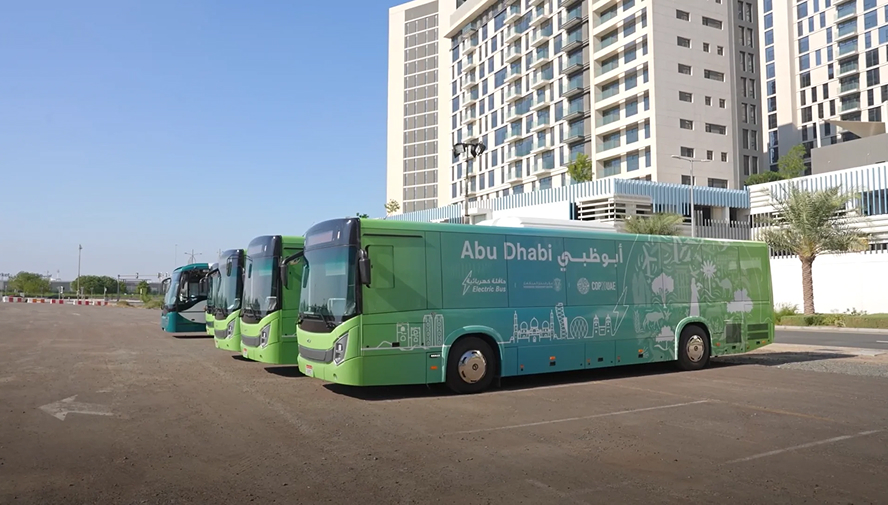
Transitioning to green mobility is no longer just an environmental mandate; it is a complex financial engineering challenge. How can public transit authorities bridge the gap between heavy infrastructure investment and long-term commercial return?

  • Capital Expenditure (CAPEX) vs. Operating Expenses (OPEX): The upfront costs of electrification are offset by a 30% reduction in long-term OPEX, provided the charging infrastructure is optimized.
  • Transit-Oriented Development (TOD): Unlocking non-fare revenue is the critical differentiator between a subsidized burden and a profitable transit network.
  • Policy Alignment: Successful deployment requires breaking down the silos between transport authorities, energy providers, and urban planners.
Insights 01

The global push toward net-zero emissions has placed public transportation at the forefront of urban transformation. However, for decision-makers in rapidly growing cities, the transition from traditional diesel fleets to zero-emission infrastructure represents a daunting financial paradigm shift.

Traditional procurement models are no longer sufficient. Today’s transit authorities must adopt a lifecycle management approach, evaluating not just the cost of the vehicle, but the ecosystem that supports it: grid capacity, charging scheduling, and battery degradation curves.

Insights 02

The Role of Data Digitization

To mitigate the initial financial shock, cities must leverage digital twins and data platforms before laying a single cable. Digitization allows for the simulation of route topography, passenger load variances, and climate impacts on battery life. By mapping these variables, transit agencies can avoid the costly mistake of over-specifying battery capacities or under-designing charging hubs.

Furthermore, integrating these data points with smart city fabrics enables dynamic scheduling. This ensures that fleets are charged during off-peak energy pricing windows, drastically reducing the total cost of ownership (TCO).

Projected TCO Comparison Over 15 Years: Diesel vs. Electric Fleets

Hind Bio

Hind Ourahou

GM
Africa and Middle East

With over a decade of strategic project leadership across the Middle East and North Africa, Hind specializes in translating complex mobility visions into actionable, financially sound ground realities.

Ready to future proof your city's transit network?

Speak to our Experts
more arrow more arrow